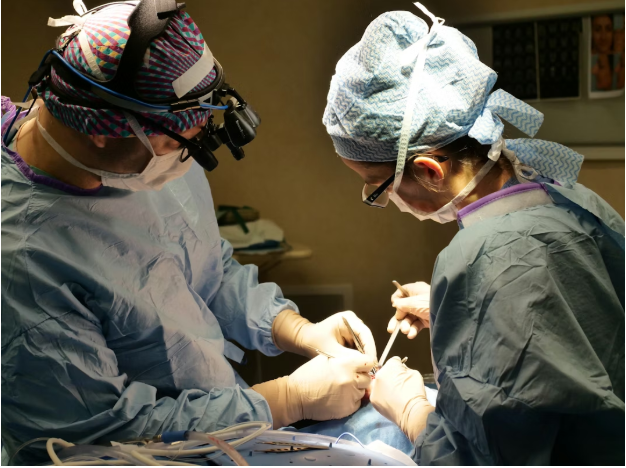
In recent years, advancements in medical technology have revolutionized the field of spine surgery. Spine surgeons now have access to innovative techniques that allow them to perform operations with minimal disruption to the surrounding tissues. This shift towards minimally invasive surgery has benefits for patients, including reduced recovery time and fewer complications. Understanding these cutting-edge techniques can help patients make informed decisions about their spine health.
Robotic-Assisted Spine Surgery
One of the most significant advancements in minimally invasive spine surgery is the use of robotic-assisted systems. Spine surgeons utilize state-of-the-art robotic technology, which allows for precise surgical maneuvers through smaller incisions. For instance, the Mazor robotic system enhances the surgeon’s ability to plan and execute surgery with remarkable accuracy.
This technology reduces the risk of damage to surrounding structures, minimizes blood loss, and shortens recovery time. Patients can expect quicker return to their daily activities, making robotic-assisted surgery a popular choice among spine surgeons today.
Endoscopic Spine Surgery
Endoscopic techniques are becoming increasingly common in the field of spine surgery. In this approach, a spine surgeon employs a specialized endoscope—a thin tube equipped with a camera—to view the surgical site in real-time. This method allows for the removal of herniated discs or the decompression of nerve roots through small puncture sites.
Endoscopic spine surgery results in minimal scarring and less postoperative pain compared to traditional open surgeries. The precision offered by this technique enables spine surgeons to perform procedures that were once deemed too invasive.
Microdiscectomy
Microdiscectomy is another example of a minimally invasive technique favored by spine surgeons. This procedure focuses on relieving pressure on the spinal nerves caused by herniated discs. The surgeon makes a small incision and removes the portion of the disc that is pressing on the nerve.
Technology advancements have equipped spine surgeons with specialized tools that enhance visibility and precision during the operation. As a result, patients experience reduced trauma to the surrounding muscles and tissues, leading to a faster recovery process.
Kyphoplasty and Vertebroplasty
For patients suffering from vertebral compression fractures, kyphoplasty and vertebroplasty are effective minimally invasive options. Spine surgeons perform these procedures by inserting a small needle into the fractured vertebra to inject a special cement-like substance.
This stabilizes the fracture and relieves pain almost immediately. Unlike traditional surgery, these procedures typically require only local anesthesia and have shorter recovery times, allowing patients to resume their activities sooner.
Personalized Surgical Approaches
Modern spine surgeons increasingly adopt a personalized approach to each surgical case, taking into consideration the unique anatomy and condition of the patient. Advanced imaging techniques, such as MRI and CT scans, provide detailed visuals that aid spine surgeons in planning individual treatment strategies.
This tailored approach helps optimize surgical outcomes and minimizes complications. By focusing on the specific needs of each patient, spine surgeons can ensure that the selected techniques are not only minimally invasive but also effective.
Conclusion
In conclusion, the landscape of spine surgery is continually evolving, driven by technological innovations and a commitment to patient-centered care. Spine surgeons now have access to a variety of minimally invasive techniques, from robotic-assisted surgery to endoscopic options, which improve recovery times and outcomes.
As these technologies advance, patients can have more confidence in the approach taken by their spine surgeon, knowing that they are receiving care employing the latest methods in spinal health. Understanding these techniques empowers patients to engage actively in their treatment plans, paving the way for improved spinal health and well-being.