Bringing a caregiver into the home is a significant step for any family. Whether the caregiver is a domestic helper, a relative or a hired care worker, families need to know that the person can manage daily care safely when no one else is around to step in. Completing caregiver training in Singapore is a useful starting point, but a certificate alone does not show whether someone can apply what they learned in a real home. Asking a caregiver to demonstrate key skills before working alone gives families a clearer picture of their readiness.
Safe Transfers and Mobility Support
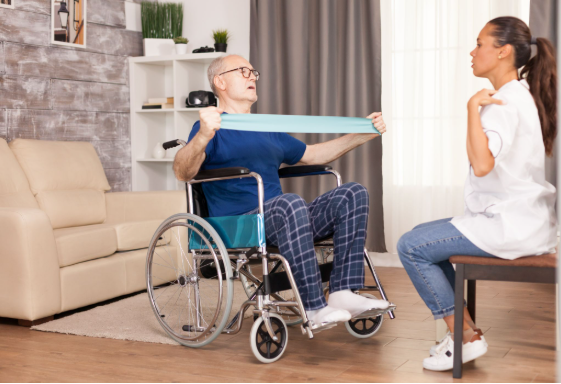
Moving a person from a bed to a chair, or helping them walk, carries a risk of falls and injury to both the caregiver and the care recipient. Before working alone, a caregiver should be able to show the following:
- Transferring the person between bed, chair, wheelchair and toilet using correct body positioning.
- Using mobility aids, such as walking frames, transfer belts or hoists, as instructed.
- Checking that wheelchair brakes are locked and the path is clear before each move.
- Repositioning a bedbound person at regular intervals to reduce pressure on the skin.
Personal Care and Hygiene
Daily personal care needs to be carried out safely while respecting the person’s dignity. Families can ask the caregiver to demonstrate tasks such as these:
- Assisting with bathing or sponge baths while keeping the person warm and covered.
- Helping with toileting and changing adult diapers without causing discomfort.
- Providing oral care, including cleaning dentures where relevant.
- Checking the skin for redness, sores or bruising during routine care.
Medication Handling and Record-Keeping
Errors with medication can have serious consequences, so this area deserves close attention. A caregiver should be able to show they can manage these steps accurately:
- Reading medication labels and matching them against the prescription or pill organiser.
- Giving medicines at the correct times and in the correct way, such as with or without food.
- Recording each dose given and noting any missed or refused doses.
- Recognising common side effects and knowing when to report them to the family or doctor.
Responding to Emergencies
Emergencies can happen at any time, and a caregiver working alone must know what to do without waiting for instructions. Programmes offering caregiver training in Singapore often cover basic first aid, and families can check that the caregiver is able to apply it by demonstrating the following:
- Responding to a fall, including when not to move the person and who to call.
- Recognising signs of stroke, choking, low blood sugar or breathing difficulty.
- Knowing the emergency number and the address of the home.
- Locating the list of emergency contacts and the person’s medical information quickly.
Feeding and Nutrition Support
Some care recipients have difficulty chewing or swallowing, which raises the risk of choking. Before working independently, a caregiver should be able to show these skills:
- Preparing food to the texture recommended by a doctor or speech therapist.
- Positioning the person upright during and after meals.
- Feeding at a steady pace and watching for coughing or signs of distress.
- Encouraging fluid intake throughout the day and noting when the person drinks too little.
Communication and Daily Routine
Practical skills matter, but so does the way a caregiver interacts with the person in their care. Families may want to observe how the caregiver handles areas such as these:
- Explaining each step of care before doing it.
- Following the person’s preferred daily routine where possible.
- Reporting changes in mood, appetite or behaviour to the family.
Building Confidence Before Handing Over Care
A short period of supervised shifts allows families to watch these skills in practice and offer guidance where needed. Once the caregiver has shown that they can manage transfers, personal care, medication, emergencies, meals and communication, families can step back with more confidence that their loved one is in safe hands.
Reach out to The Home Physio to learn about our caregiver training courses and how they prepare carers for work at home.