Choosing an orthodontic treatment involves more than deciding how the teeth should look after treatment. The appliance must suit the patient’s dental needs, daily routine, oral hygiene habits and expectations for the treatment process. For people considering Damon braces, a proper consultation can help clarify what the system involves before treatment begins.
Patients searching for braces in Singapore may come across several orthodontic systems, each with different features and maintenance requirements. Damon braces use a self-ligating bracket design, which means the brackets hold the archwire with a built-in mechanism rather than traditional elastic ties. That difference can influence cleaning, appointments and the way the appliance is managed throughout treatment.
1. Start With Your Orthodontic Needs
The first consideration should be the dental problem being treated. Crowding, spacing, bite concerns and tooth alignment can require different treatment plans, so an appliance should be selected after an orthodontic assessment rather than from appearance alone.
A dentist or orthodontist may examine the teeth, gums and bite before recommending a suitable approach. X-rays, photographs or digital scans may also form part of the assessment. These records help the practitioner understand tooth positioning and the relationship between the upper and lower jaws.
Damon braces may be suitable for certain patients, yet suitability depends on individual dental conditions. A consultation provides a clearer basis for deciding if this system fits the intended treatment.
2. Understand How the Brackets Work
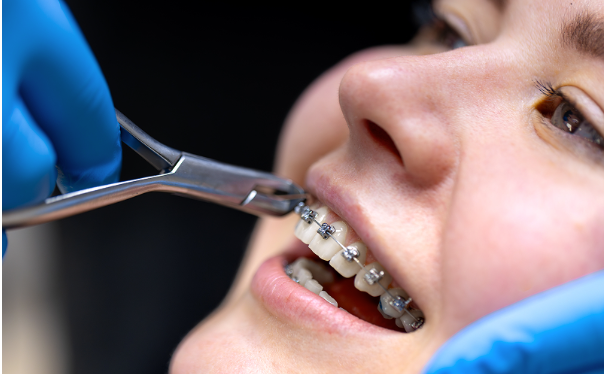
Damon braces use brackets with a sliding door or clip mechanism to secure the archwire. This differs from conventional brackets, which usually use elastic ligatures.
The design can make the appliance look slightly different and may affect how patients clean around the brackets. It does not remove the need for regular orthodontic supervision. Wires still need adjustment or replacement as treatment progresses, depending on the treatment plan.
Patients should ask how the bracket system will be used in their specific case. Understanding the mechanics can make the treatment process easier to follow and can prevent unrealistic expectations.
3. Consider Comfort During Daily Life
Any fixed orthodontic appliance can take time to get used to. Patients may experience pressure or tenderness after placement and after certain appointments. The lips, cheeks and tongue may also need time to adapt to the brackets.
Daily activities such as eating, speaking and brushing may feel different at first. Soft foods can be useful during the early adjustment period, while careful brushing helps keep the teeth and brackets clean.
Ask the orthodontic team what discomfort is expected and what steps can help manage it. Knowing what the first few days may feel like can make the adjustment less daunting.
4. Plan Around Oral Hygiene
Fixed braces create extra areas where food debris and plaque can collect. Good oral hygiene therefore becomes an important part of treatment.
Brushing around each bracket requires patience. Interdental brushes, flossing aids or other cleaning tools may help reach areas a standard toothbrush cannot easily access. Patients should also maintain regular dental care and follow professional advice on fluoride and cleaning.
The success of orthodontic treatment is linked to more than tooth movement. Protecting the enamel and gums throughout treatment matters too. A good cleaning routine should feel manageable within the patient’s normal schedule.
5. Review Treatment Time And Appointments
Orthodontic treatment does not follow one fixed timeline for every patient. The duration can depend on the degree of tooth movement required, the patient’s response to treatment and how consistently appointments and instructions are followed.
Before starting Damon braces, ask how frequently appointments may be needed and what happens during these visits. Some appointments may involve checking progress, changing wires or making other adjustments.
Patients should also consider how orthodontic visits fit around school, work, travel or other commitments. A treatment plan can be easier to manage when appointment expectations are clear from the beginning.
6. Discuss Costs And What They Include
Cost is another practical factor. The total price of orthodontic treatment can depend on the complexity of the case, treatment duration, appliance choice and services included within the package.
Instead of focusing only on the starting price, ask what the quoted fee covers. It may be useful to clarify consultation charges, diagnostic records, follow-up visits, retainers and post-treatment reviews.
Patients comparing braces in Singapore should also ask about payment arrangements and possible additional charges. A clear breakdown makes it easier to understand the financial commitment before treatment begins.
Treatment Factors for Damon Braces
Understanding the specific factors involved in Damon braces treatment can help clarify how this self-ligating system differs from conventional options and what patients can expect throughout their treatment journey:
| Treatment Factor | Damon Braces Feature | Patient Impact & Benefit |
|---|---|---|
| Bracket Design | Self-ligating mechanism with a slide/door holding the archwire without elastic ties. | Reduces friction on teeth; easier to clean around brackets due to the absence of rubber bands. |
| Maintenance & Care | Fewer places for plaque accumulation compared to elastomeric ties. | Simplifies oral hygiene, though thorough brushing and interdental tools are still essential. |
| Appointments | Efficient wire adjustments with a slide mechanism. | May require fewer overall dental visits and shorter time spent in the chair during progress checks. |
| Comfort Level | Light force memory wires paired with smooth bracket contours. | Minimises pressure and discomfort, allowing faster adaptation during early treatment stages. |
Making A Practical Treatment Decision
Damon braces can be a useful orthodontic option for suitable patients, but the right choice should follow a professional assessment. The bracket design, expected treatment process, hygiene requirements, appointment schedule and financial commitment all deserve consideration.
A consultation is a useful opportunity to discuss your dental concerns openly and ask how the proposed treatment would work for your particular case. It can also help you understand what daily care will involve once the braces are fitted.
Contact Align Braces Clinic to discuss your orthodontic needs, treatment options and the factors to consider before starting Damon braces.