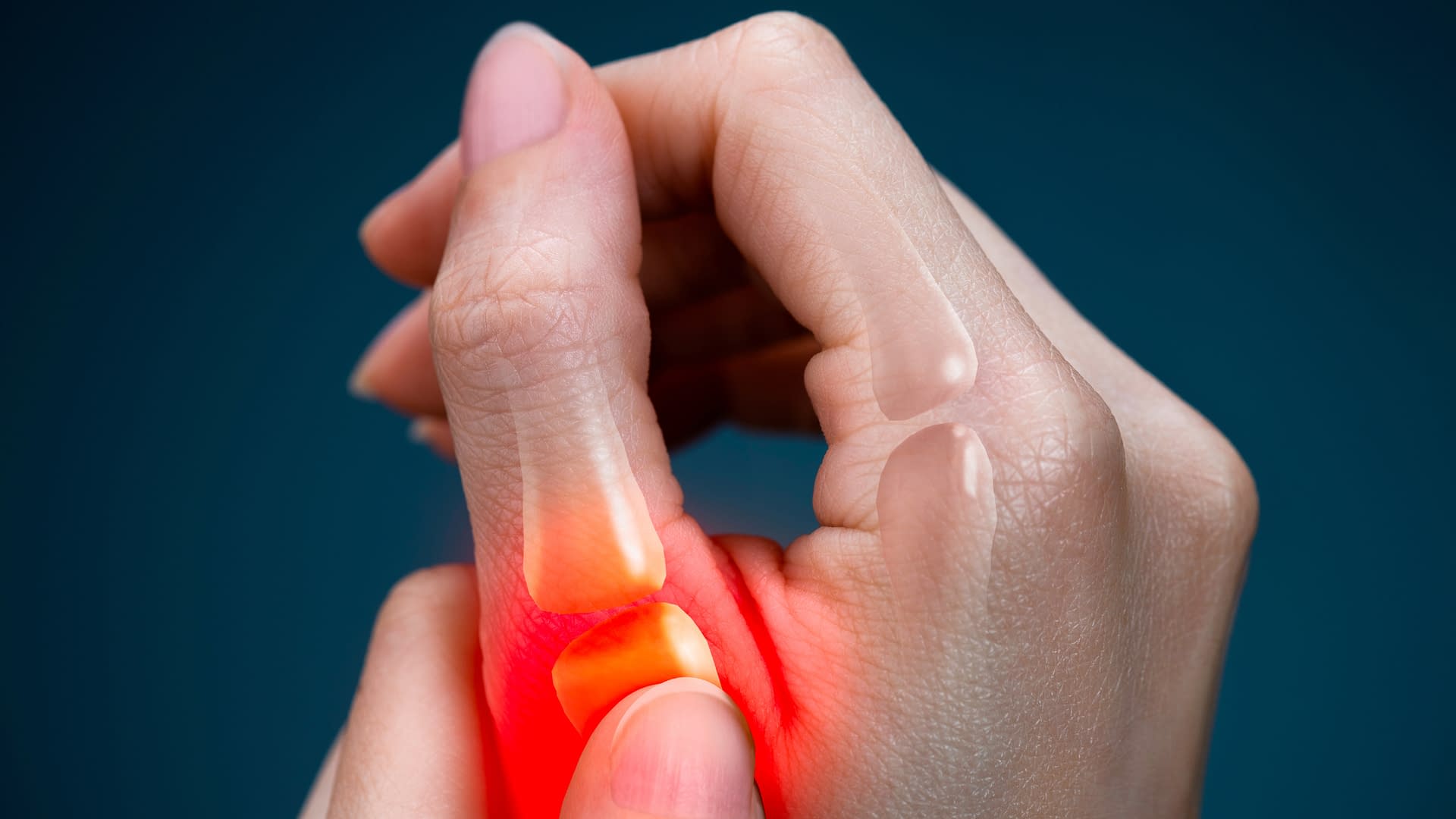
You finally get the baby to sleep, sit down for a moment of peace, and realize your hand is throbbing. There is a sharp, burning sensation at the base of your thumb that makes even picking up a water bottle a major challenge. You didn’t have a sudden fall or a sports injury, yet your wrist radiates that burning sensation. This condition is so common among new parents that it has earned the nickname “Mother’s Thumb,” though it affects fathers and caregivers just as frequently.
In the world of parenting, your hands are your most important tools. From supporting a newborn’s head during feeding to lifting a growing toddler out of a crib, your thumbs are under constant stress. It isn’t one single lift that causes the damage; it is the thousands of repetitive, awkward movements performed every day that lead to the need for a Thumb Spica Splint.
The Anatomy of “Parenting Thumb”
The medical term for this discomfort is De Quervain’s Tenosynovitis. It occurs when the tendons around the base of the thumb become swollen and irritated. When you lift a child by placing your hands under their armpits in an “L” shape with your thumbs extended, you create a massive amount of leverage and strain on those specific tendons.
If you ignore this, the inflammation can become chronic, making it difficult to perform even basic childcare tasks. Many parents find that a simple thumb support or bandage isn’t enough because it doesn’t stop the thumb from moving. This is where a Thumb Spica Splint becomes essential. It provides the rigid immobilization needed to ease the inflammation.
Why Standard Supports Often Fail Parents
You might have tried a flexible thumb splint from a local chemist, only to find the pain persists. This is usually because the thumb is incredibly mobile. Every time you reach for a nappy or fasten a car seat strap, that flexible support allows the thumb to wiggle, re-irritating the tendon.
A Thumb Spica Splint is different because it includes a firm stay, a metal or plastic insert that runs from the thumb tip down to the wrist. This ensures that the specific joint causing the trouble stays completely still. For a busy parent, this enforced rest is often the only way to heal while staying active in other areas of life.
Identifying the Triggers in Your Daily Routine
Recognizing the habits that worsen the condition is the first step toward recovery. Addressing these movements now will prevent the need for more invasive treatments like steroid injections or surgery later.
The “L-Lift”: Lifting a child with your thumbs spread wide. Instead, try to gently lift the child using your forearms and palms, keeping your thumbs tucked in.
One-Handed Phone Use: Many parents scroll through their phones with one hand while nursing or rocking a baby. This repetitive thumb-swiping is a primary cause of thumb support needs.
Stroller Maneuvering: Gripping the handle of a heavy stroller too tightly, especially when turning, puts lateral pressure on the thumb joint.
Lifting Heavy Diaper Bags: Hooking a heavy bag over a single thumb or wrist rather than using a shoulder strap.
How a Thumb Spica Splint Facilitates Healing
When you wear a Thumb Spica Splint, it works like a removable cast to support and protect your injured thumb.
- Tendon Protection: By locking the thumb in a neutral “hitchhiker” position, the splint prevents the tendons from rubbing against the narrowed tunnel in your wrist.
- Nighttime Recovery: Many parents unconsciously position their hands in a fist during sleep. A rigid thumb splint prevents this, so that you do not wake up with stiffer hands.
- Mechanical Advantage: It shifts the work of lifting away from the small thumb muscles and onto the larger muscles of the forearm and shoulder.
Choosing the Right Thumb Support for a Busy Life
When you’re chasing a toddler, you can’t have a bulky, scratchy device. If you are looking for the best Thumb Spica Splint, you should consider the following factors:
Washable Material: Parenting is messy. Ensure the splint is made of high-quality neoprene or breathable fabric that can be hand-washed.
Adjustable Compression: With the fluctuating nature of swelling during the day, you require hook and loop straps that enable you to tighten or loosen the thumb support as required.
Low Profile: Look for a design that allows your other four fingers to move freely so you can still type, cook, and hold your child’s hand safely.
The Path Back to Pain-Free Parenting
Recovery doesn’t happen overnight. Usually, doctors recommend wearing a Thumb Spica Splint consistently for 2–4 weeks during the most active parts of your day. Once the sharp pain subsides, you can shift to a lighter, more flexible thumb splint to provide a safety net as you rebuild strength through gentle stretching and forearm exercises.
The Core Message
Parenting is a physical marathon, and your hands are on the front lines. “Mother’s Thumb” or “Parenting Thumb” isn’t just a minor annoyance; it is a signal from your body that it needs structural help. By incorporating a Thumb Splint into your routine and modifying how you lift and hold your child, you can stop the cycle of pain.
Don’t wait until the pain prevents you from picking up your little one. Invest in a high-quality thumb support today and give your tendons the rest they deserve. After all, you can’t pour from an empty cup and you certainly can’t care for a child with a hand that doesn’t work.